Dining is more than just a necessity; it is a profound reflection of culture, history, and philosophy. The differences between Chinese and Western dining cultures are vast and fascinating, influencing not only what we eat but how we eat, socialize, and perceive the world. This exploration of "427 English: Chinese vs. Western Dining" delves into these distinctions across several key dimensions.
1. Philosophical Foundations: Harmony vs. Individualism
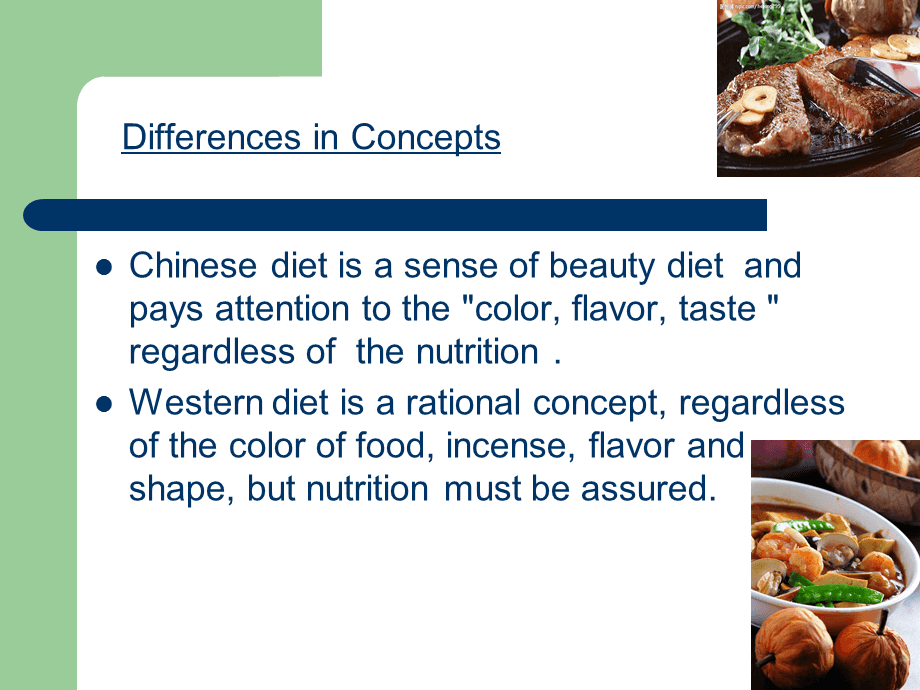
At its core, Chinese cuisine is deeply influenced by the philosophical principles of balance and harmony, such as Yin and Yang and the Five Elements. A traditional Chinese meal aims to achieve a harmonious blend of flavors (sour, sweet, bitter, spicy, salty), textures, colors, and even nutritional properties. The dish is often a collective masterpiece where ingredients merge. In contrast, Western cuisine, particularly in its classical French form, emphasizes the individual characteristics of each ingredient. The focus is on highlighting the natural flavor of the primary component, with sauces and sides playing a supporting, often separate, role. This reflects a broader cultural value of individualism.
2. Dining Etiquette and Table Manners
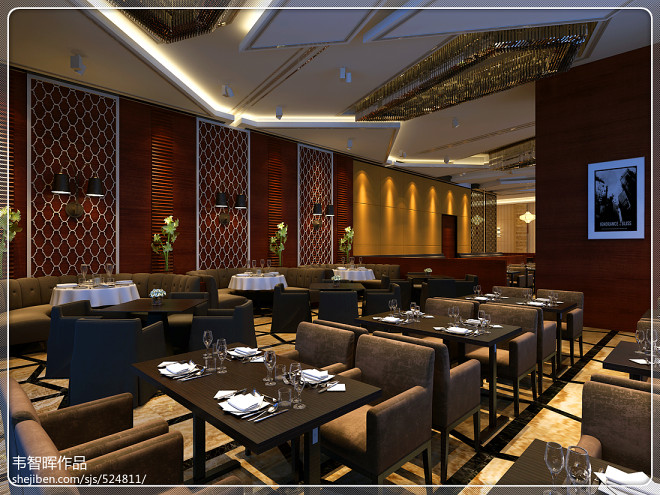
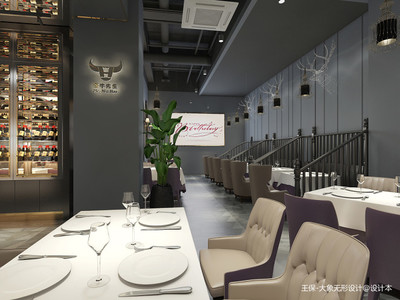
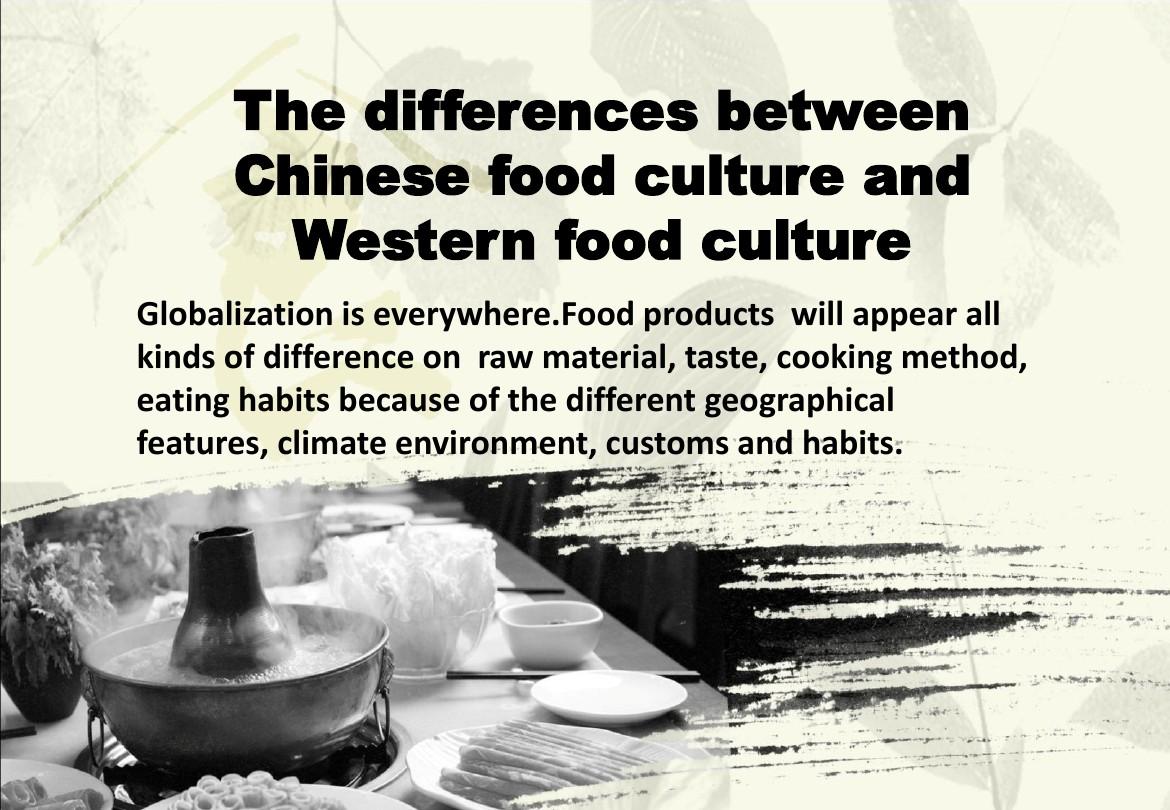
The communal spirit is paramount in Chinese dining. Dishes are placed at the center of a round table, and everyone shares from the same plates, using their own chopsticks. This practice fosters a sense of unity and family. Conversation is lively and integral to the meal. Western dining, however, is typically more individualized. Each person receives their own plate with pre-portioned food. The use of individual cutlery (fork, knife, spoon) underscores personal space. Table manners often emphasize quieter, more orderly conversation, with strict rules about utensil use and posture.
3. The Structure of the Meal
A formal Western meal follows a linear, sequential structure: appetizer, soup, main course, and finally dessert. Each course is cleared before the next arrives. The Chinese meal structure is simultaneous and circular. All dishes—cold plates, hot mains, soup, and rice—are served together or in rapid succession. Soup may appear in the middle of the meal rather than at the beginning. Rice or noodles are the foundational carbohydrates, meant to complement the flavorful dishes, whereas in the West, the carbohydrate (like potatoes or bread) is often a side to the central protein.
4. Culinary Techniques and Flavors
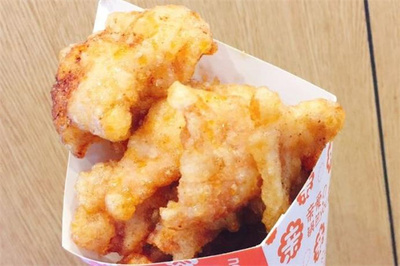
Chinese cooking boasts a wide array of techniques like stir-frying, steaming, braising, and deep-frying, often applied quickly over high heat. The goal is to create complex, integrated flavors where the seasoning penetrates the ingredients. Umami is a prized taste. Western techniques include baking, grilling, roasting, and sautéing, with a frequent emphasis on browning and caramelization to develop flavor. Sauces are often prepared separately and then added. The flavor profiles can be bold but are often more singular and layered distinctly on the plate.
5. The Role of Dining in Social Life
In Chinese culture, dining is a primary vehicle for building and maintaining guanxi (social connections). Business is frequently conducted over lavish banquets, and family bonds are strengthened through shared meals. The host's generosity is demonstrated through an abundance of food. In Western cultures, while meals are certainly social, there is often a clearer separation between business and pleasure. A business lunch is more common than a dinner, and portions are generally sized to avoid waste. The social focus is on conversation and companionship as much as on the food itself.
Conclusion: A Tale of Two Tables
The contrast between the communal, harmonious round table of China and the individual, structured place setting of the West is symbolic of deeper cultural values. Chinese dining celebrates collectivism, interaction, and the fusion of elements. Western dining appreciates individuality, order, and the distinct presentation of components. In today's globalized world, these cultures increasingly influence one another. Yet, understanding these differences—the "427" of dining codes—allows for greater appreciation and enriches our cross-cultural experiences, reminding us that every meal tells a story of the people who share it.